Skip to content
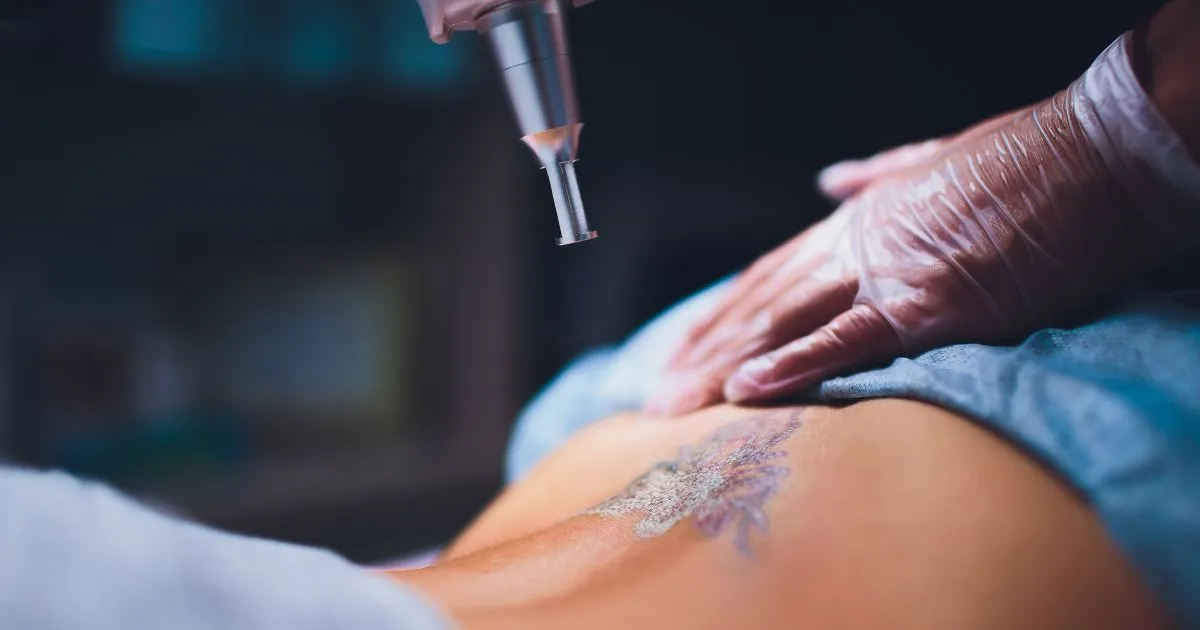
Table of Contents
Cosmetic tattoos, such as eyebrow microblading, lip tinting, or permanent eyeliner, can beautifully enhance your features. But what happens when the results aren’t quite what you hoped for? Maybe the color faded unevenly, the shape doesn’t suit your face anymore, or you simply want to return to your natural look. Whatever the reason, many people in Raleigh, NC, find themselves searching for safe and effective tattoo removal solutions.
The challenge often begins with one big question: Should you choose laser or non-laser tattoo removal?
At Renewal Body Contouring, a trusted name in cosmetic tattoo removal in Raleigh, NC, clients are guided through personalized options designed to remove or correct unwanted ink safely and comfortably. The goal isn’t just to erase pigment, it’s to restore confidence and natural beauty through advanced, evidence-based methods.
Both laser tattoo removal and non-laser methods have their strengths, but understanding how each works, and which best fits your skin type, tattoo depth, and cosmetic goals, can make all the difference in achieving the results you want.
Understanding Laser and Non-Laser Tattoo Removal
To make an informed choice, let’s start with the basics. Both laser and non-laser tattoo removal techniques aim to eliminate or fade unwanted ink, but they work in entirely different ways.
Laser Tattoo Removal
Laser tattoo removal uses focused light energy to break down pigment particles within the skin. During treatment, the laser emits pulses of light that are absorbed by the tattoo’s pigment. This process shatters the ink into tiny fragments, which the body naturally clears away over time.
Modern laser systems, like Q-switched and picosecond lasers, are engineered to target ink selectively, leaving surrounding tissue unharmed. Because the pigment sits within the dermis (the second layer of skin), laser technology allows for precise removal with minimal risk of scarring.
Non-Laser Tattoo Removal
Non-laser tattoo removal, on the other hand, involves topical or transdermal methods that extract pigment from the skin rather than breaking it down with light energy. This may include saline tattoo removal, chemical extraction, or other specialized formulations applied to the skin to draw out the ink particles.
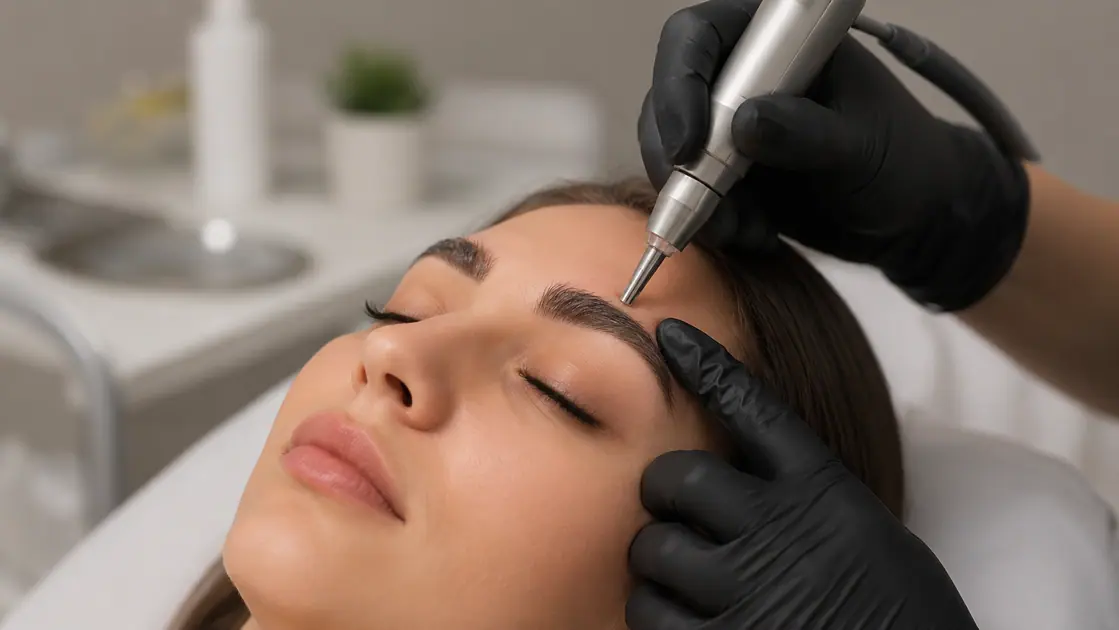
This approach can be constructive for cosmetic tattoos, such as eyebrow microblading or lip tinting, where the pigment is usually deposited more superficially.
While laser removal remains the industry standard for body tattoos, non-laser tattoo removal methods continue to gain popularity among individuals seeking gentle and targeted correction of permanent makeup.
How Each Method Works: Process, Comfort, and Recovery
Both laser and non-laser cosmetic tattoo removal methods have their unique processes and aftercare requirements. Understanding these can help you know what to expect and choose what best aligns with your comfort level and goals.
1. Laser Tattoo Removal Process
- Consultation and Evaluation: A licensed specialist assesses your tattoo’s color, size, and age, as well as your skin tone and sensitivity.
- Laser Treatment Session: During the procedure, the laser device emits short pulses of light energy targeting the ink pigment. Clients often describe the sensation as similar to a rubber band snap.
- Post-Treatment Care: The treated area may appear red or slightly swollen for a few days. Cooling gels and aftercare creams are applied to soothe the skin.
- Results Timeline: Fading occurs gradually over several sessions, typically between 4 and 8 treatments, spaced a few weeks apart.
Comfort Level: Moderate. Most clinics offer numbing cream to minimize discomfort.
Downtime: Minimal; clients can return to daily activities soon after treatment.
2. Non-Laser Tattoo Removal Process
- Pigment Extraction Application: A saline or specialized solution is applied to the tattooed area using a handheld device, which gently opens the skin to allow the formula to bond with the pigment.
- Healing and Exfoliation: Over the next several days, the area forms a small scab as the pigment is drawn toward the skin’s surface. When the scab naturally falls off, some of the pigment comes off with it.
- Multiple Sessions: Depending on the tattoo’s color and depth, several sessions may be needed for complete removal or correction.
Comfort Level: Mild to moderate; sensation is similar to tattooing or microblading.
Downtime: Slight redness and peeling for a few days post-treatment.
Both methods can effectively lighten or remove cosmetic tattoos, but the choice depends on factors like tattoo pigment type, placement, and individual skin sensitivity.
Comparing Effectiveness: Which Method Works Better?
When evaluating laser vs non-laser cosmetic tattoo removal in Raleigh, NC, it’s essential to match the treatment to the tattoo type rather than expecting one method to outperform the other in every situation.
Laser Tattoo Removal Is Often Best For:
- Deeper or darker pigments: Especially blue, green, or black inks that penetrate deep into the skin.
- Larger tattoos, Such as scalp micropigmentation or body tattoos.
- Precision targeting: When preserving the skin’s surface layer is a priority.
- Quick fading: When faster pigment breakdown and clearance are desired.
Non-Laser Tattoo Removal Is Often Best For:
- Superficial cosmetic tattoos: Like microblading, lip blushing, or permanent eyeliner.
- Color correction needs: Non-laser methods can lighten an area enough for new pigment to be added later.
- Sensitive skin: Minimizing thermal exposure is essential.
- Certain pigments: Some titanium dioxide or white-based inks reflect laser light, making non-laser removal a better option.
In short, laser removal is more efficient for deep or multi-color body tattoos, while non-laser methods excel for subtle, surface-level cosmetic work.
At Renewal Body Contouring, professionals carefully evaluate each case to recommend the most suitable approach, ensuring safety and effective results tailored to your unique needs.
Benefits of Choosing the Right Tattoo Removal Method
Selecting the best tattoo removal technique for your needs can make all the difference in achieving smooth, healthy-looking skin.
Here are the main benefits:
1. Safe and Controlled Pigment Reduction
Both laser and non-laser methods focus on removing ink without harming surrounding skin.
2. Confidence in Your Appearance
Eliminating unwanted or faded tattoos restores your natural beauty and self-assurance.
3. Customizable Approach
Your removal plan is tailored to your skin type, pigment color, and desired outcome, ensuring precision.
4. Minimal Downtime and Lasting Results
With advanced technology, you can resume daily activities quickly while seeing visible improvement over time.
5. Skin Health Preservation
At Renewal Body Contouring, every session is designed not only to remove pigment but also to support healthy skin regeneration.
Restore Your Skin’s Natural Beauty
Ready to regain confidence in your appearance? Whether you need laser precision or a gentle non-laser approach, the right choice begins with expert guidance.
Connect with Renewal Body Contouring and restore your skin. Book your consultation now! Their specialists will evaluate your tattoo, discuss your goals, and recommend the most effective, skin-safe option for lasting results.
In the end, the best tattoo removal method is the one that fits your needs, balancing effectiveness, safety, and skin comfort. With professional care and the latest technology, your journey to clearer, natural-looking skin starts here in Raleigh.