Skip to content

Table of Contents
If you have been thinking about removing an old tattoo or you want to fade one enough for a cover-up, it helps to know what the process actually looks like before you get started. At Renewal Tattoo Removal, we offer laser tattoo removal for our clients and tattoo lightening for others planning a cover-up.
How does laser tattoo removal work, and what to expect?
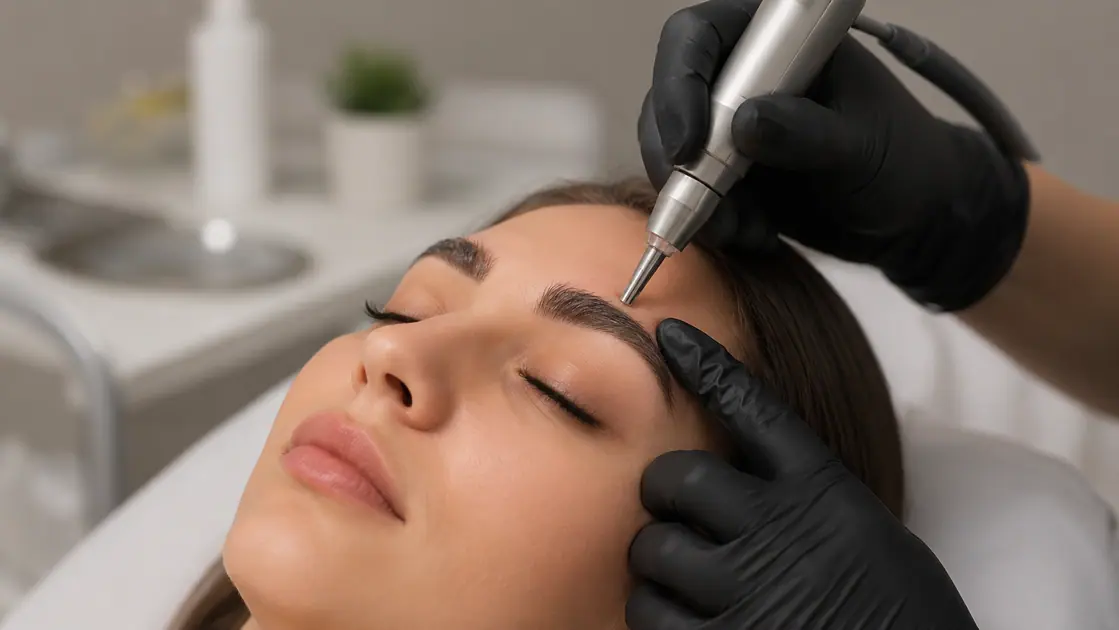
Professional laser tattoo removal treatment in a modern aesthetic clinic showing safe and realistic tattoo fading. The image features a trained provider performing laser tattoo removal while the client wears protective eyewear in a clean medical spa setting with natural skin texture and realistic results.
How Laser Tattoo Removal Works
Laser tattoo removal uses focused light energy to break down tattoo ink beneath the skin into smaller particles. Your body then gradually clears those particles over time, which is why tattoo removal usually requires multiple sessions and fades differently for each tattoo.
A few factors can change how the ink removal process unfolds:
- Some ink colors respond more easily than others
- Dense, layered tattoos can take longer to treat
- Older tattoos may fade differently from newer ones
- Professional tattoos often behave differently from amateur tattoos
What Happens Before Your First Treatment
Your first visit is about building the right plan. Before treatment starts, the area is carefully assessed so our provider can examine the tattoo itself, your skin, & the result you want to achieve. That consultation usually includes the tattoo’s size, location, age, and the amount of ink packed into the design. Color matters too. Black ink often responds differently from brighter colors, & multicolored tattoos may need a more layered treatment approach. This is also where expectations get clearer. Most people need multiple tattoo removal sessions, and the exact number depends on the tattoo rather than a generic estimate. If you are not trying to remove the tattoo completely, this is the time to talk about tattoo lightening instead.
What A Laser Tattoo Removal Session Feels Like
During laser tattoo removal, the provider carefully applies the laser over the tattoo in controlled passes. Most people describe the feeling as quick snapping or warmth against the skin.
Session time depends on the tattoo’s size, placement, and ink density. Smaller tattoos are usually treated faster, while larger tattoos may take longer.
After treatment, the skin may look red, frosted, swollen, or slightly raised. These temporary changes are normal during the laser tattoo removal healing process.
What Your Skin May Look Like Right After Treatment
After a session, your skin may look and feel different for a while. Common short-term reactions can include whitening, redness, swelling, tenderness, or a warm sensation in the area. These changes are usually part of the normal healing response after laser tattoo removal. That does not mean every reaction should be ignored. Mild irritation is one thing. A stronger reaction that seems unusual or worsens instead of improves should always be brought to your provider’s attention.
How Healing Works Between Sessions
After laser tattoo removal, your body needs time to clear the broken ink particles naturally. This is why treatments are spaced apart for proper healing and gradual tattoo fading.
Following laser tattoo removal aftercare instructions can help support smoother healing and better results. Most tattoos fade gradually over multiple sessions rather than after one treatment.
What Can Affect How Quickly A Tattoo Fades
No two tattoos respond in the same way. Some begin to fade in a way that feels encouraging early on, while others need more time before noticeable changes accumulate. That is normal.
Several things can affect a fading tattoo during treatment:
- Tattoo age
- Ink density
- Color variation
- Tattoo depth
- Placement on the body
Professional tattoos often contain more ink and more even saturation, which can make removal more challenging than a simpler amateur tattoo. Skin type and your body’s natural clearing process can also play a role. This is one reason treatment plans should be personalized rather than copied from someone else’s experience. The key here is patience. Progress is measured over a series of visits, not in a single appointment.
When Tattoo Lightening Makes Sense
Not everyone wants a tattoo fully gone. Sometimes the goal is to create a better starting point for a cover-up. In those cases, tattoo lightning can make a lot of sense. Instead of trying to erase every last trace of pigment, treatment is used to reduce the tattoo enough that a new design has more room to work. That can be especially helpful when an existing tattoo is dark, crowded, or difficult to cover cleanly. This is where the treatment goal changes the plan. Full removal and lightning are not always approached in the same way. If your goal is a cover-up, the number of tattoo removal sessions and the level of fading needed may be different from those of someone who wants the tattoo completely removed.
For clients seeking laser tattoo removal in Raleigh, NC, this conversation is especially important during the consultation, as it helps shape the right next step rather than treating every tattoo the same way.
Glow Up Your Skin
At Renewal Tattoo Removal, we help clients understand the full laser tattoo removal process, whether the goal is complete removal or strategic lightening for a cover-up. If you are ready to take the next step with laser tattoo removal in Raleigh, NC, schedule your tattoo removal consultation today!