Skip to content

Table of Contents
A tattoo can hold a memory, a phase, a relationship, or a version of yourself that no longer feels right. If you are considering fading or removing unwanted ink, it is normal to wonder how the process works and how your skin will be protected throughout the process. That is where Laser Tattoo Removal in Raleigh, NC, at Renewal Tattoo Removal fits in.
How does Laser Tattoo Removal safely fade unwanted ink with Pico laser treatment and personalized care?
Laser tattoo removal safely fades unwanted ink by using a Pico laser to deliver quick, targeted pulses that break the ink into tiny particles. With personalized care, providers adjust settings based on skin type, ink color, tattoo depth, and fading goals, helping protect the skin while the body gradually clears pigment.
How Laser Tattoo Removal Targets Tattoo Ink
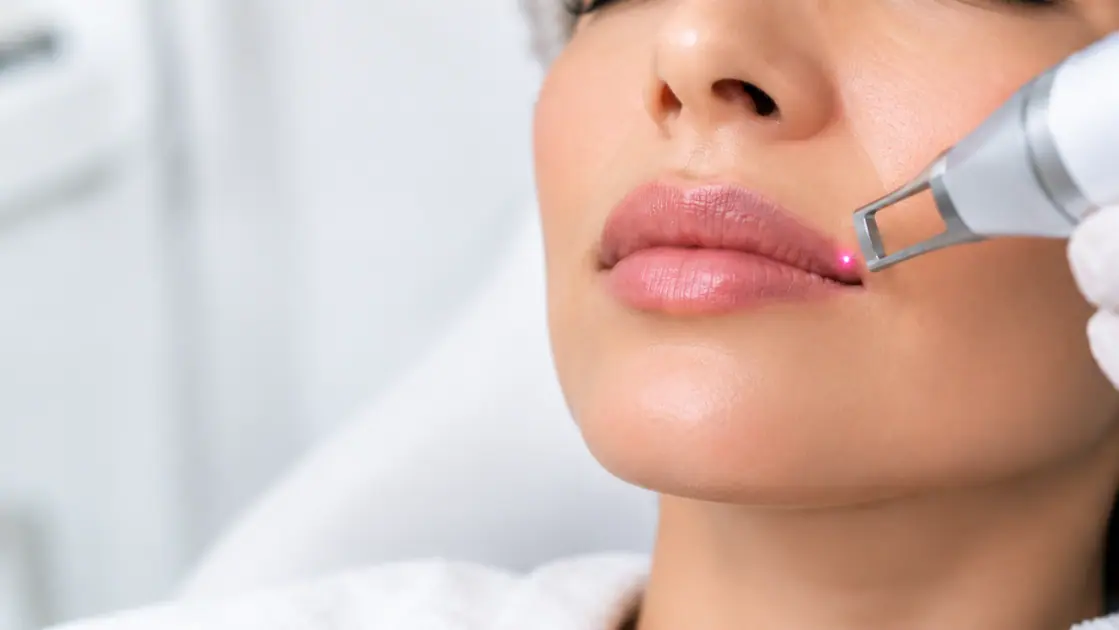
Tattoo ink sits beneath the skin’s surface, which is why regular exfoliation, creams, or time alone usually cannot remove it. Laser tattoo removal works by directing focused light energy into the skin, where the tattoo pigment absorbs it. During treatment, the laser targets the ink particles without removing layers of skin. The energy causes the pigment to break into smaller fragments. Once the ink is broken down, your body can begin clearing those tiny particles through its natural processes.
This is why Pico laser treatment is often used for unwanted tattoo removal. PicoSure technology delivers energy in very fast pulses, helping break ink into smaller pieces while limiting unnecessary heat in the surrounding skin. Renewal Tattoo Removal also uses Q-switched technology, giving the team options when evaluating different tattoo colors, depths, and treatment goals.
Why Tattoo Ink Fades Gradually
Many people hope one appointment will make a tattoo disappear, but safe fading is a process. Tattoo ink was designed to stay in the skin, so it takes a series of treatments to break it down enough for the body to clear it. Each session targets more pigment. After the laser does its work, your body needs time to process and flush away the fragmented ink. This is one reason ink removal sessions are spaced out rather than scheduled too close together.
Gradual fading also helps protect the skin. Rushing the process can increase the chance of irritation or unwanted skin changes. A slower, planned approach gives your skin time to respond, settle, and recover before the next treatment.
In most cases, fading depends on several factors, including:
- How much ink is packed into the tattoo
- How deep the pigment sits in the skin
- The tattoo’s age and location
- The colors used in the design
- Your body’s natural healing response
Some tattoos fade noticeably after a few sessions. Others need more time. The safest answer is always based on the tattoo in front of the provider, not a generic promise.
What Makes Laser Tattoo Removal Safe
Safety starts before the laser is ever used. A professional provider should evaluate the tattoo, your skin type, the tattoo’s location, the ink colors, and any history of previous tattoo removal. This helps determine the right laser settings and treatment approach. At Renewal Tattoo Removal, the process is centered on careful evaluation and customized planning. This matters because laser settings should not be the same for every person or every tattoo. A small black linework tattoo may need a different approach than a large, dense, colorful tattoo. Skin tone, sensitivity, and a history of healing also matter.
Safe tattoo removal in Raleigh, NC should focus on:
- Targeting the ink without damaging the surrounding skin
- Giving the skin enough time to recover between sessions
- Adjusting treatment as the tattoo becomes lighter
- Providing clear aftercare instructions
Temporary redness, swelling, tenderness, or whitening of the treated area can happen after laser treatment. These responses are part of the skin’s reaction to the laser, but they should be monitored and properly cared for. A trained provider helps reduce the risk of complications such as scarring, discoloration, or prolonged irritation.
Why Some Tattoos Fade Faster Than Others
No two tattoos fade in the same way. Even two people with similar tattoos may have different results because the skin, immune system, ink quality, and tattoo technique all play a role. Black ink often responds well because it absorbs laser energy efficiently. Brighter colors can be more complex, depending on the pigment used and the laser wavelength needed. Older tattoos may fade differently from newer tattoos because some pigment may have already softened or dispersed over time.
Tattoo location can also affect fading. Areas with stronger circulation may clear fragmented ink more efficiently than areas with slower circulation. Ink saturation matters, too. A heavily shaded or layered tattoo may need more sessions than a lighter design. This is why fading tattoos should always be discussed as a personalized process. The goal is to give you a clear idea of what may be possible while staying honest about the variables that affect your result.
How A Personalized Treatment Plan Protects The Skin
A personalized plan helps keep laser tattoo removal focused, safe, and aligned with your goals. During the consultation, the provider at Renewal Tattoo Removal can closely examine your tattoo and discuss what you want to achieve, such as:
- Full removal
- Lightening for a cover-up
- Fading only certain parts of the tattoo
These details matter because every tattoo responds differently once treatment begins. As the tattoo fades, the treatment plan may be adjusted based on:
- How the ink responds
- How your skin heals
- How much fading has already occurred
Laser settings may also change over time to help avoid overtreating the area. Proper spacing between sessions is an important part of the plan. Your skin needs time to calm down after each treatment, and your body needs time to clear the broken-down ink. Giving the process enough time helps protect your skin and support the best possible fading outcome.
How To Support Healthy Fading Between Sessions
Your provider’s work matters, but what you do between visits also supports healthy fading and skin recovery. Aftercare instructions should always come from your treatment team, but a few basic habits are commonly important.
Keep the area clean, avoid picking or scratching, and protect treated skin from sun exposure. Sun exposure can make the skin more sensitive and may increase the chance of discoloration. It is also important to avoid irritating the area while it is healing.
Healthy fading takes patience. Your tattoo may look different from week to week as the skin settles and your body continues clearing ink. Some changes are subtle at first, then more noticeable after several sessions. Staying consistent with care and appointment spacing gives your skin the best chance to respond well.
Glow Up Your Skin
At Renewal Tattoo Removal, your tattoo fading plan is handled with care, honest guidance, and advanced laser technology chosen for safe, thoughtful results. Book a Tattoo Removal Consultation Today!