Skip to content

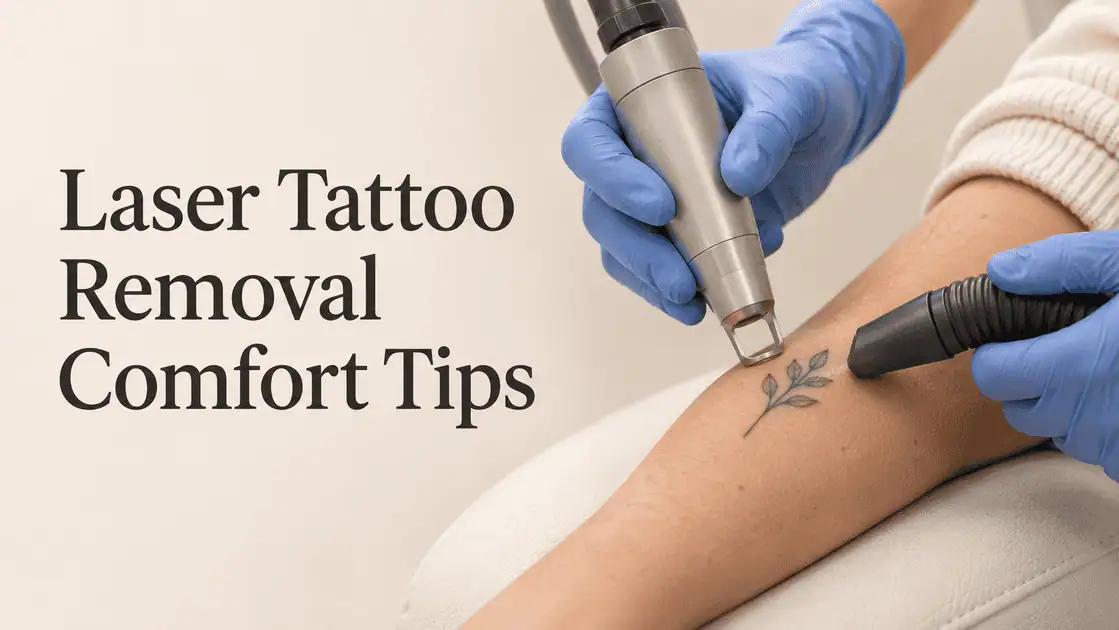
Table of Contents
Most people who come in for laser tattoo removal want one question answered before anything else: how much is this going to hurt? The honest answer is that there is a real sensation; it is short, and it is manageable with the right preparation and the right support in the room.
At Renewal Tattoo Removal, we treat comfort as part of the treatment plan rather than an afterthought. Here is what the experience actually involves, and what you can do to make each visit easier.
How much does laser tattoo removal hurt?
Most patients describe a brief, hot snapping sensation, similar to a rubber band flick against the skin. The feeling lasts only while the laser is firing, and active treatment time is usually just a few minutes. Numbing and cooling applied by your provider, along with simple aftercare at home, keep most sessions very manageable.
What a Laser Tattoo Removal Session Actually Feels Like and How Long It Lasts
Most patients describe laser tattoo removal as a hot snap against the skin, similar to a rubber band flick or a quick splatter of grease. That description holds up well, and we would rather you hear it plainly than be surprised in the chair. The sensation comes from rapid pulses of light energy from our PicoSure® picosecond laser breaking ink into smaller particles the body can clear over time.
The part most people do not expect is how brief it is. Active laser time is often only a few minutes, and the work happens in short passes rather than one continuous stretch. The sharpest feeling usually settles within minutes of the final pass. A full appointment includes check-in, prep, and aftercare, so the laser portion is a small slice of your visit.
What You Can Do Before Your Appointment to Stay Comfortable
Preparation changes the experience more than most patients expect. A few simple session comfort tips go a long way:
- Eat a normal meal and arrive well hydrated. Skipping food is a common reason patients feel lightheaded.
- Keep the treatment area out of the sun and avoid tanning beforehand. Recently sun-exposed skin tends to be more sensitive, which is worth planning around after a warm weekend outdoors.
- Skip alcohol the night before, and ask your provider before taking anything that thins the blood.
- Book at a point in your week when you are rested. Sleep, stress, and for some patients, hormonal timing all influence how sensitive the skin feels.
Numbing and Cooling Options Your Provider May Use
Comfort support is handled in the treatment room, not at home. Depending on your tattoo and your medical history, numbing options may include a topical anesthetic applied by your provider before the session, or in select cases a local anesthetic administered by the physician. Cooling is used alongside it, usually cold air directed at the skin before, during, and after each pass.
One point we repeat often: do not apply a store-bought numbing cream yourself before an appointment, and never cover the area with plastic wrap. Over-the-counter products vary widely in strength, and unsupervised use has caused serious harm. Numbing decisions belong with your clinical team.
What Happens During Your Session, Step by Step
Knowing the sequence removes most of the anxiety. After check-in, we photograph the tattoo to track progress, then everyone in the room puts on protective eyewear. Your provider usually delivers a single test pulse so you know exactly what the sensation feels like before the full pass begins.
From there, the provider works in sections and pauses between passes as needed. You will hear a faint snapping sound and see the treated ink turn frosty white for a short while, which is a normal immediate response. Cooling goes on right after, and the area is covered before you leave.
What to Expect in the First 48 Hours After Treatment
The hours after treatment are when most people notice the most. Redness, swelling, warmth, and tenderness are common and temporary, and some patients develop blistering as part of normal healing. Useful pain management techniques at home stay simple: cool the area as directed, elevate it when you can, wear loose clothing over the site, and keep it clean and covered exactly as instructed.
Raleigh summers deserve a mention here. Heat, humidity, heavy sweating, and time in a pool or out on the lake are worth postponing for a few days. Call us if anything looks or feels off to you. Checking in is routine care, not an emergency.
Why Some Sessions Feel Harder Than Others
Placement is the biggest variable. Areas over bone or with thinner skin, such as ribs, ankles, wrists, and inner arms, tend to feel sharper than an outer thigh or an upper arm. Ink density, color, and layered coverups also affect how much energy an area needs.
Your own condition that day plays a role too. Poor sleep, high stress, dehydration, and anxiety all change how pain registers. Many patients tell us later sessions feel different as the ink lightens, though experiences vary from person to person.
Common Questions About Discomfort During Laser Tattoo Removal
Does it hurt more than getting the tattoo did? Most patients say the sensation is sharper but far shorter, since a removal session takes a fraction of the time the tattoo did.
Can I take a pain reliever beforehand? Ask your provider first. Some options affect bruising and are better avoided close to treatment.
Will numbing affect my results? Topical numbing applied by your provider does not interfere with how the laser treats the ink.
Does blistering mean something went wrong? Not usually. Blistering can be part of normal healing. Follow your aftercare instructions and call us with any concerns.
Comfort Is Part of the Plan, Not Something You Endure
Discomfort during laser tattoo removal is real, brief, and manageable. Preparation, provider-applied numbing, cooling in the room, honest communication during the session, and careful aftercare in the first two days account for most of the difference between a hard appointment and an easy one.
If you are considering laser tattoo removal in Raleigh, NC, the next reasonable step is a conversation rather than a commitment. Our Team will look at your tattoo, talk through your comfort options, and set clear expectations before anything is scheduled. Book Your Laser Tattoo Removal Consult when you are ready.